




 Table of contents
Key takeaways
Foreign individuals can own Saudi property from January 2026
Four ownership types: traditional, mega-projects, zones, fractional investment
Early movers access new market before established competition
Starting January 2026, foreign nationals can own property in Saudi Arabia. Not just companies buying office space, but actual property ownership for individuals and investors.
This is one of the biggest structural shifts in Gulf real estate in decades, and it's happening in six weeks.
Interested in buying Saudi property? Learn more here.
Here's what changed, what it means, and why the timing matters.
How has the law changed?
Saudi Arabia's old property law, from 2000, essentially locked out foreign investors unless they were operating a business. You could buy an office for your company. You could house your employees. But individual ownership? Off limits.
The new Law of real estate ownership by non-Saudis, approved by Royal Decree M/14 in July 2025, removes those barriers entirely.
Who can now own property:
- Foreign individuals
- Foreign-registered companies
- Saudi companies with foreign shareholders
- Diplomatic missions and nonprofits
What they can buy:
- Residential property
- Commercial land
- Agricultural farms
- Shares in mega-projects like NEOM, Qiddiya, and Red Sea Global
- Tokenized fractional ownership in real estate
That last one matters. REGA explicitly calls out digital fractional ownership as a "key innovation" in the new framework. It's not an alternative to traditional ownership, it's an official investment category.
Four ways to enter the market
REGA structured the law around four distinct ownership types:
Traditional property: buy homes, land, or farms in approved zones. Full ownership. Clear title. Standard real estate investment.
Mega-project access: direct investment in Saudi's massive developments. NEOM alone is a $500 billion project. Qiddiya is building the Kingdom's entertainment infrastructure. These aren't speculative plays, they're national priorities backed by sovereign capital.
Special economic zones: designated commercial land and strategic development areas. These are regions where Saudi is concentrating infrastructure spend and actively courting international capital.
Digital fractional ownership: investors buy tokenized stakes remotely without visiting the Kingdom.
Why the timing matters
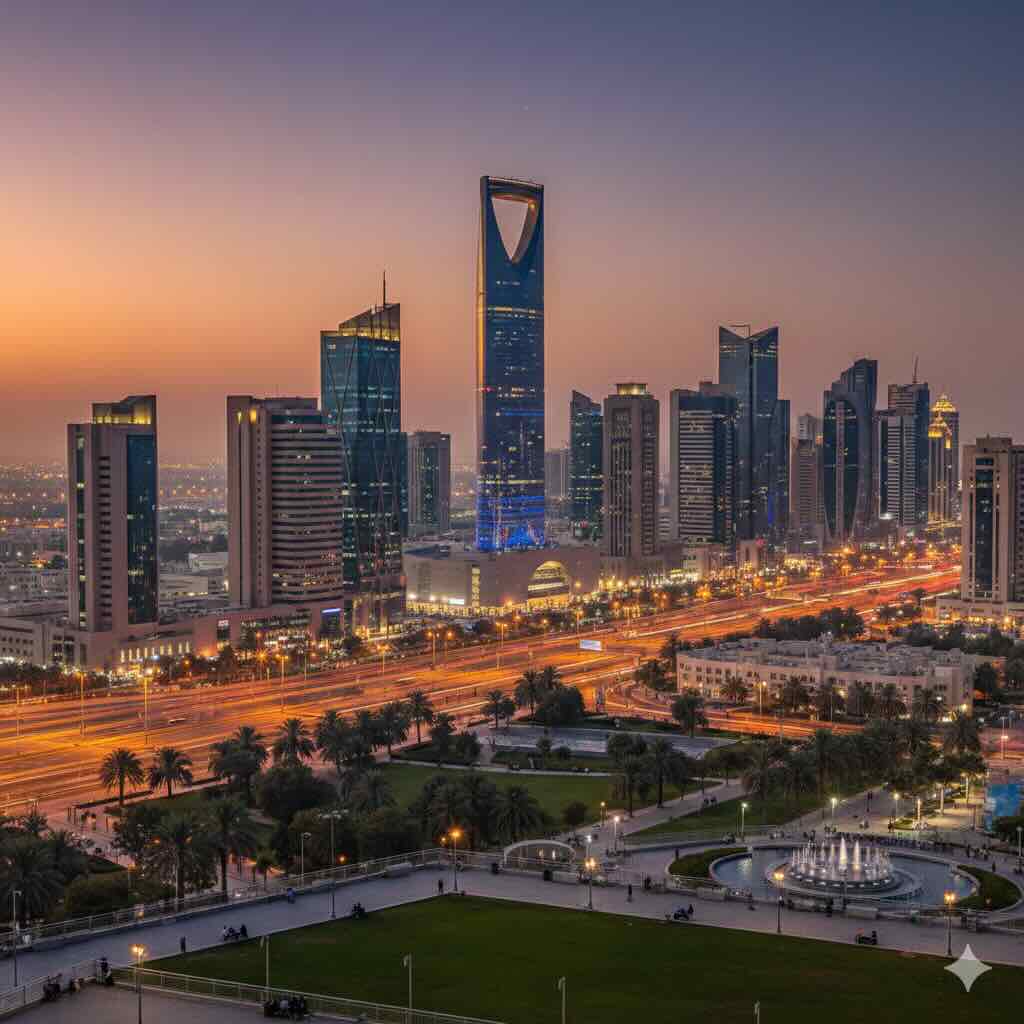
REGA will publish detailed maps before January showing exactly where foreign ownership is permitted. Those zone designations will likely prioritize areas with established infrastructure: Riyadh, Jeddah, the mega-projects.
Early movers get first look at what's probably significant pent-up demand. Saudi attracted over $30 billion in foreign direct investment in 2024. Real estate is a cornerstone of Vision 2030's economic diversification strategy.
The market is ready. The infrastructure is built. The regulatory framework is launching.
What this means for investors
If you're looking at traditional property: Focus on zones with strong fundamentals, existing infrastructure, and clear development plans. Wait for REGA's maps, identify your target areas, understand the local dynamics.
If you're interested in fractional ownership: The regulatory validation matters. Digital fractional ownership isn't a workaround anymore, it's an officially recognized investment category. That's meaningful for portfolio diversification and market access.
If you're institutional: Saudi companies with foreign shareholders can now own property. That opens doors for fund structures, joint ventures, and institutional capital deployment.
The advantage of entering now? You're not competing with established local players who've owned property for years. Everyone's starting fresh under the new framework.
What happens next
REGA releases detailed implementation guidelines in the coming weeks. Smart investors are watching those announcements closely.
The initial zone designations will favor areas with proven infrastructure. The early deals will go to investors who understand the framework, have capital ready, and can move decisively.
Saudi Arabia just issued a clear invitation to international investors. The market opens in January 2026.
The question is whether you're positioned to take advantage of it.
Want to explore Saudi real estate investment? Learn more on the app.
All investments carry risks. Stake is regulated by the CMA as a Fund Distributor in KSA and DFSA in the UAE.
FAQs
Got questions? See below for answers.
Need more help? Visit getstake.com or Help Center: https://help.getstake.com/en/
The law comes into force in January 2026. REGA will publish detailed maps and implementation guidelines in the coming weeks showing exactly where foreign ownership is permitted.
No. REGA will designate specific zones where foreign ownership is allowed. These zones are expected to prioritize areas with established infrastructure like Riyadh, Jeddah, and major development projects.
Foreigners can purchase residential property, commercial land, agricultural farms, shares in mega-projects (NEOM, Qiddiya, Red Sea Global), and tokenized fractional ownership stakes in real estate.
Not necessarily. The new law explicitly recognizes digital fractional ownership, allowing investors to buy tokenized stakes remotely without visiting the Kingdom.
Specific requirements haven't been published yet. REGA will release detailed implementation guidelines before January 2026 outlining any investment thresholds or eligibility criteria.
Yes. Foreign-registered companies and Saudi companies with foreign shareholders can now own property under the new framework.
About the author
The Stake Team is a trusted group of real estate and investment experts committed to delivering in-depth, data-driven insights for property investors in the UAE, Saudi Arabia, and beyond. Backed by years of industry experience, our team simplifies complex market trends, investment strategies, and more to help you make smarter decisions.
Stay informed with Stake.
Stake team
 Market Insights